Category: Art Facilitation

  • Part 1: What is a diorama?

    Louis Jacques Mande Daguerre (1787-1851) was an exceptionally inquisitive artist as painter, set designer and photographer. To assist his set designs he invented and built dioramas and became famous for his dioramas. For his sketches to develop the dioramas and theatrical sets he used an old method of camera obscura this led him to inventing daguerreotype with fellow inventor Nicéphore Niépce ( Niepce died in 1939) and Daguerre  continued to develop the medium it presented as an early form of photography on silver plate.

    In today’s world a diorama is often a three-dimensional exhibit that is small in scale. Today’s dioramas provide a perfect art subject to work on with limited resources that takes time and needs your critical thinking resources.

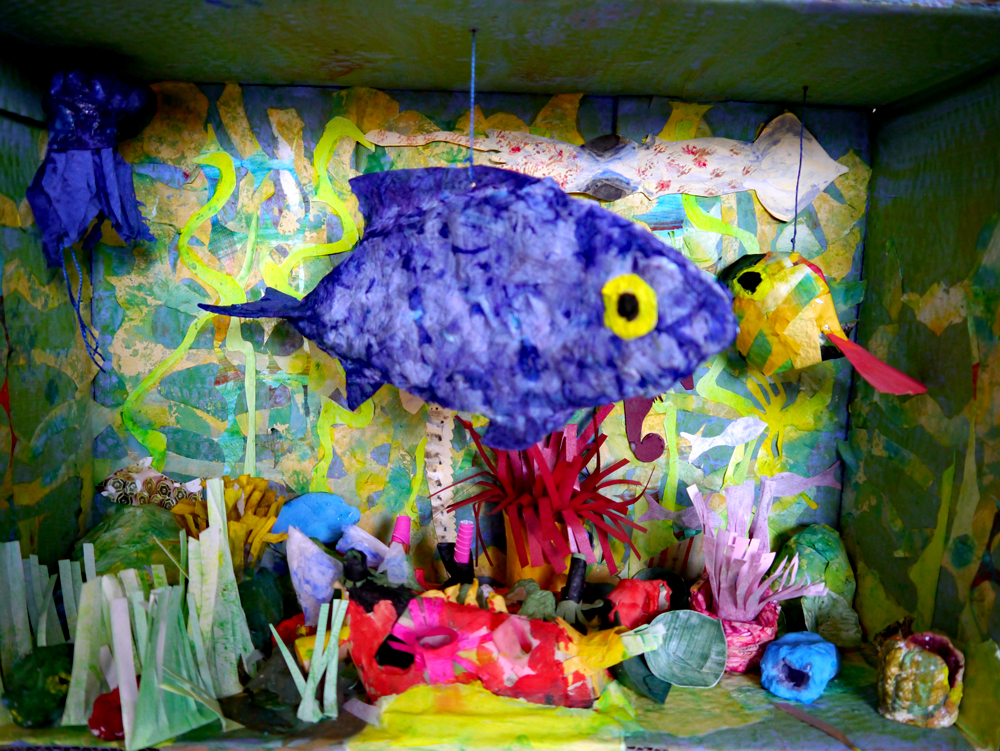
    Basic tools to create a diorama

    • Scissors
    • Glue
    • Cardboard box any side
    • Paper, scape paper, old magazines, recycle gift paper, newsprint, etc any paper that folds bends and cuts
    • Paint if you have it
    • Pencils
    • Ruler
    • Pencils
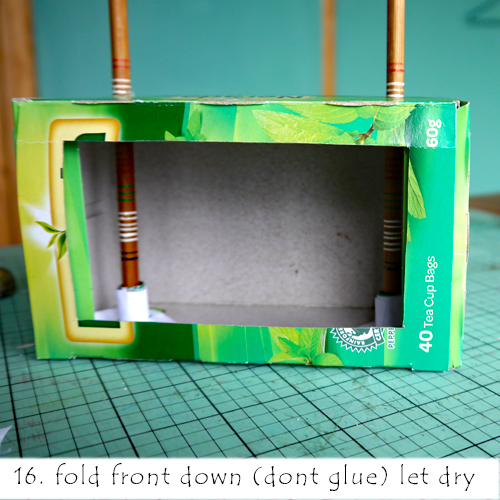
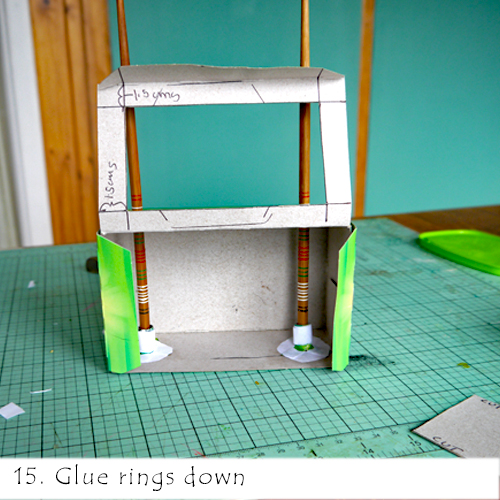
  • PART ONE: Making a Crankie with limited resources.

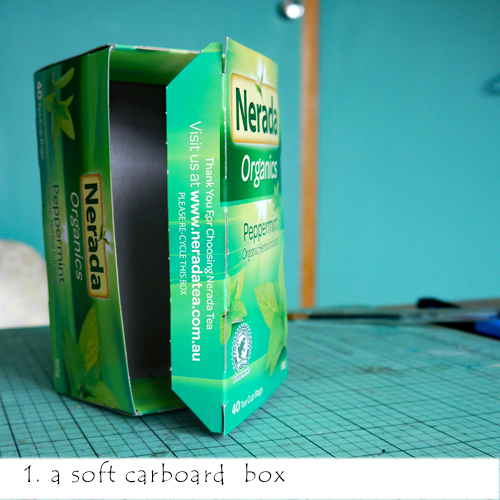
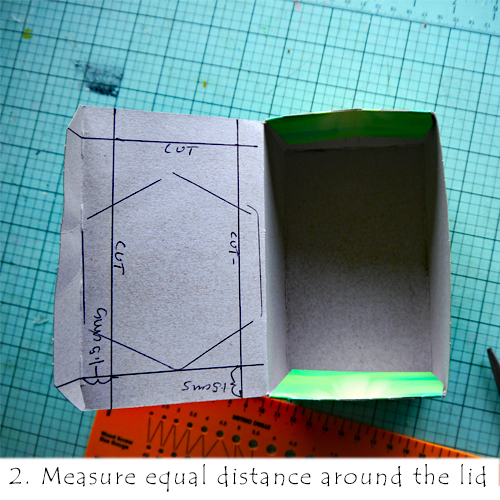
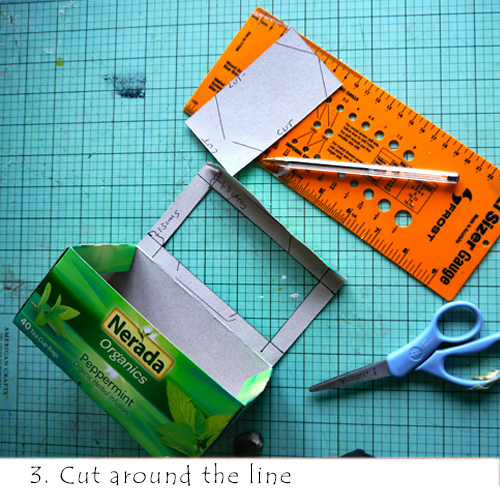
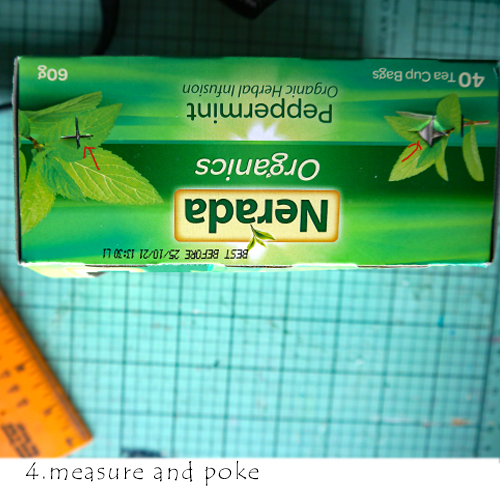
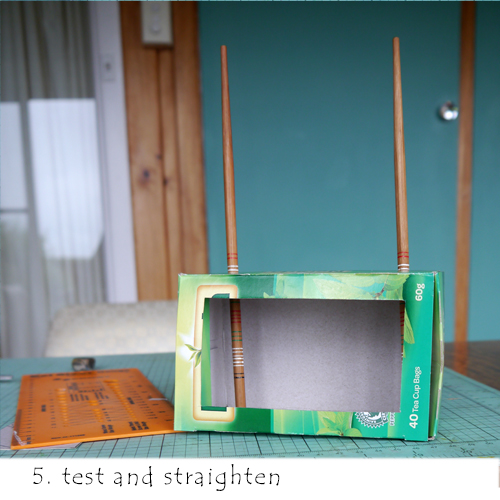
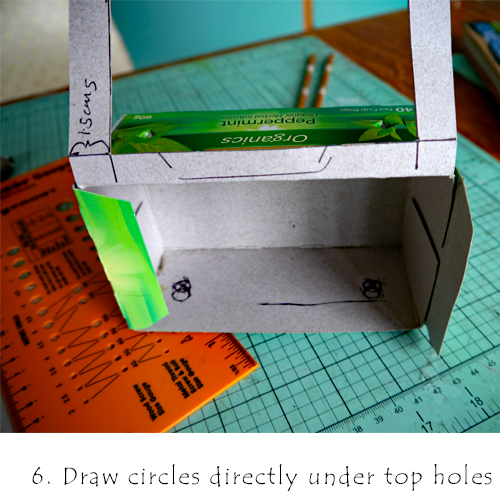
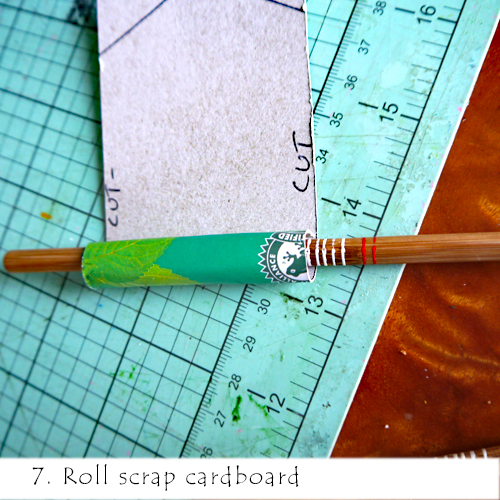
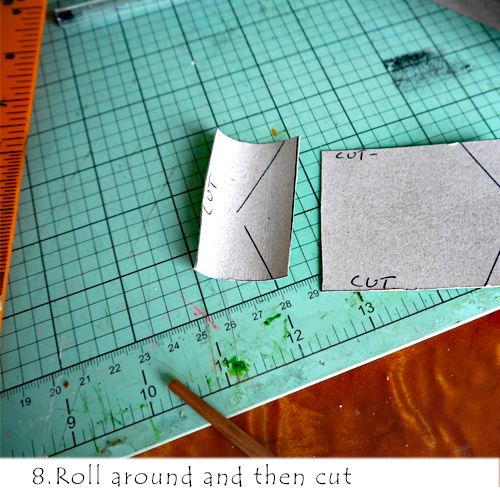
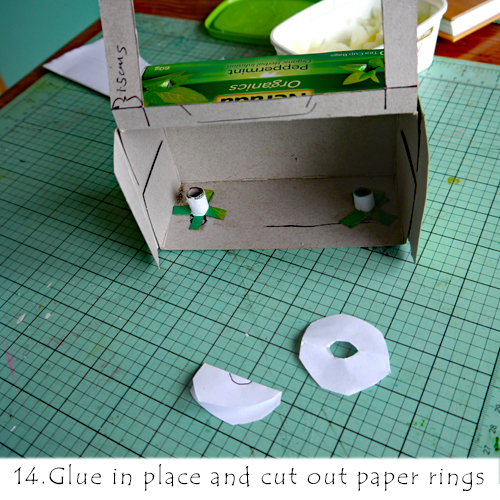
    A Crankie is a moving panorama – At present one needs to use resources that are handy in our homes. Below are the steps to making a crankie case. Please join me. They are such fun – at the end we can post them online. When the lock down is over we can have an exhibition in my art studio. More on crankies

    A cake box Crankie by Fern Smith
  • Art facilitation 3 – 29-03-2020

    With enthusiastic friends from NYNY we teleconferenced our next art facilitation session . We looked at some aspects of still life shadowing techniques and making a standalone fairy penguin.

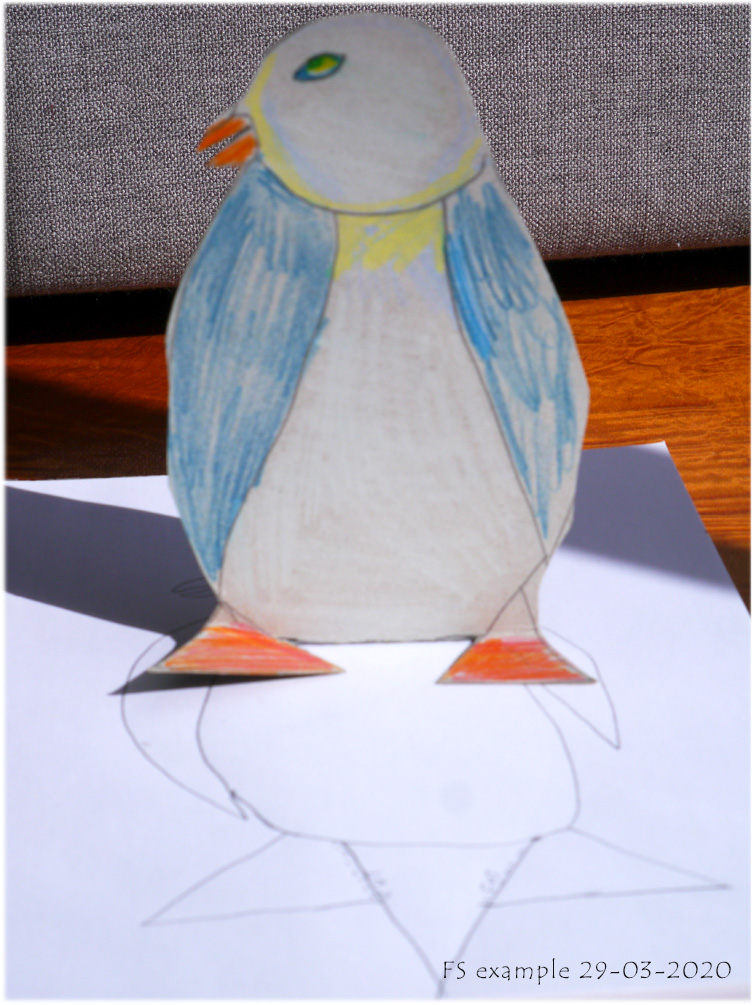
    Here is a beautiful example  of a fairy penguin by B.C from NYNY

    The off-screen tasks is to make a family of penguins for next weeks session. A referencing point https://penguinfoundation.org.au/about-little-penguins/

    Fairy penguin made from a cereal box standing on a template

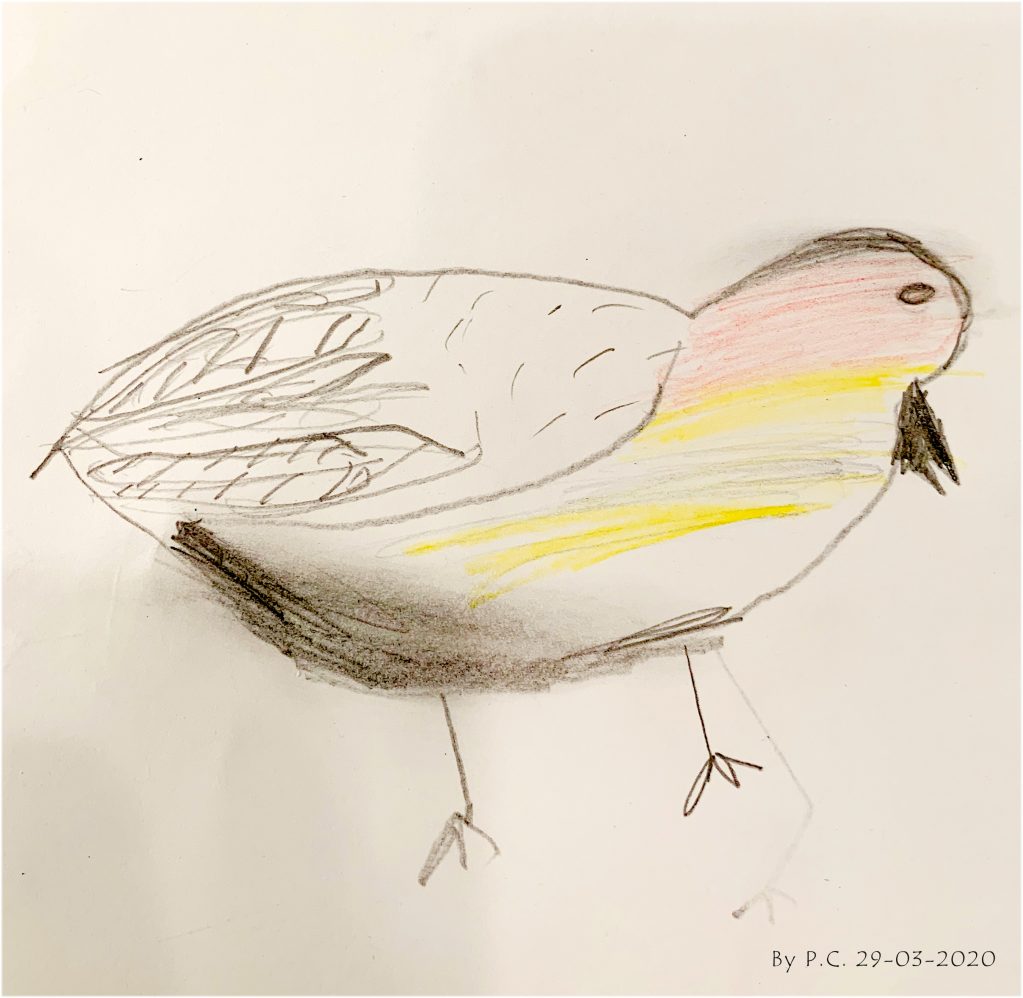
    Here is an example of building more depth into a drawing using different techniques – this was achieved by first working on shading inspired by K.C. and this is P.C.’s first build up of a sketch to add depth – a beautiful character filled bird.

    building more depth into a sketch example by P.C. NYNY

    Building depth into a work – we used a quince online – we are using basic videoing teleconferencing face to face – no bells and whistles. I finished my example offline
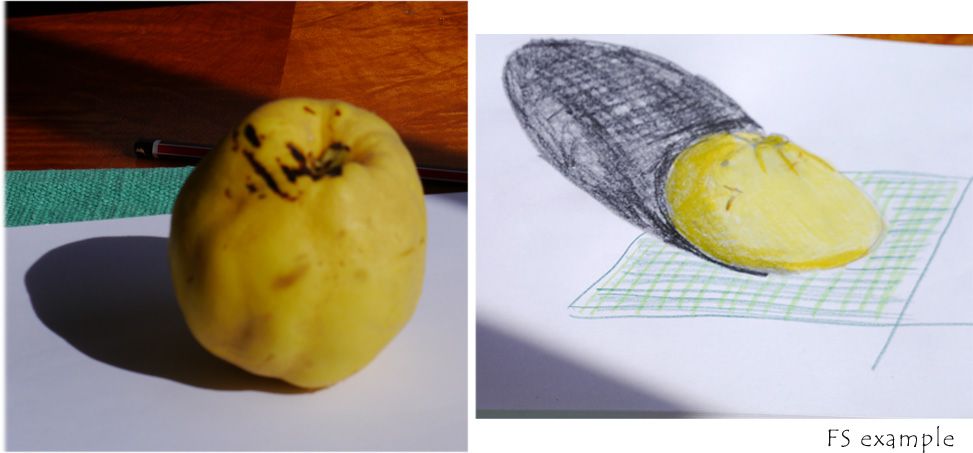
    Next Wed/Thurs will be our next session – Enjoy until then – Post your family of 3D fairy penguins made of recycled soft cardboard.

  • Art Facilitation 2 – 28-3-2020

    With the help of two children in NY city and myself in Victoria at our first teleconference workshop we devised some away from the screen time projects.

    Task 1: Was to make a multi-faced puppet head from the drawings they did in the online session. I was to go offline and to the same task

    The steps – draw faces, scrunch up news paper or any scape paper in your apartment and stick the faces to it.

    Not as easy as it looks –

    Task 2: The other task is to take a photo and draw from the photo – lucky me I can walk to a no person bayside and draw and take a photo.

    Can’t wait until tomorrow morning (their late afternoon) to see what they produced