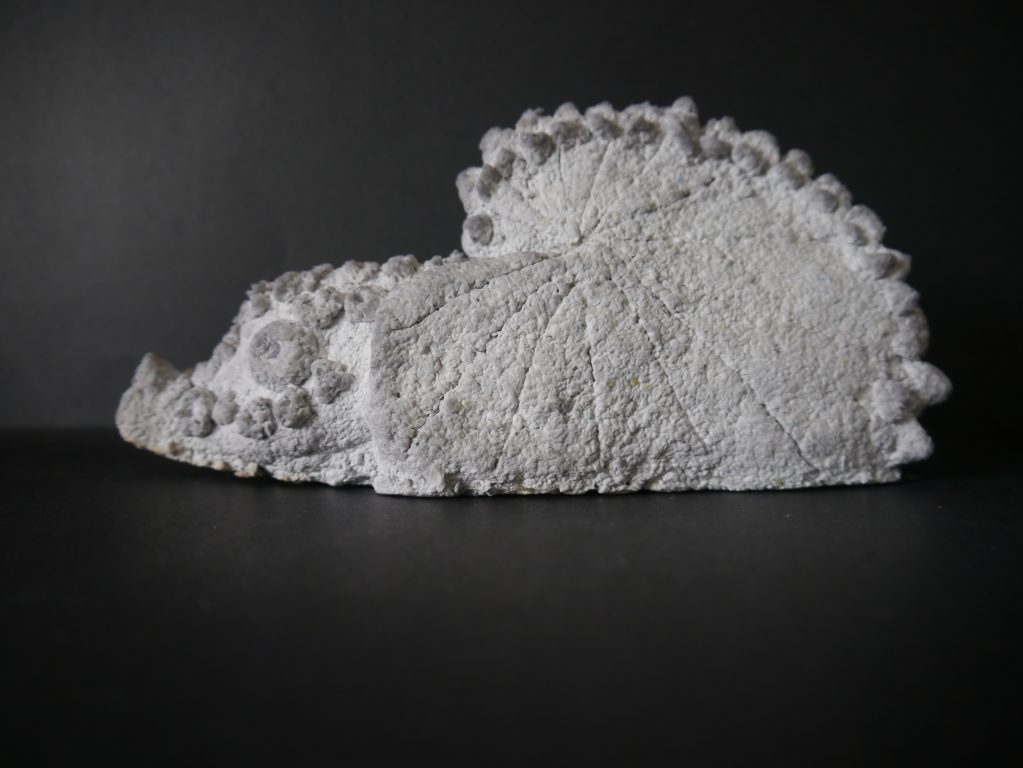
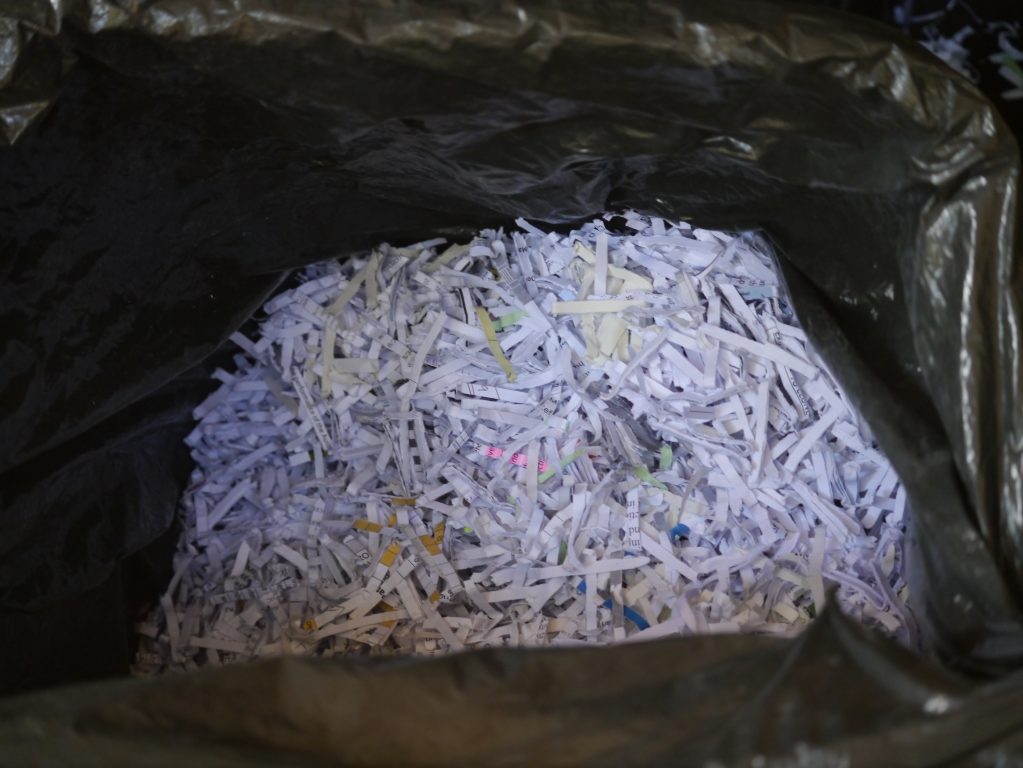
Office paper, scrap paper any paper lying around your home. Cut into strips smaller the better. Or if you have a paper shredder that is better still.
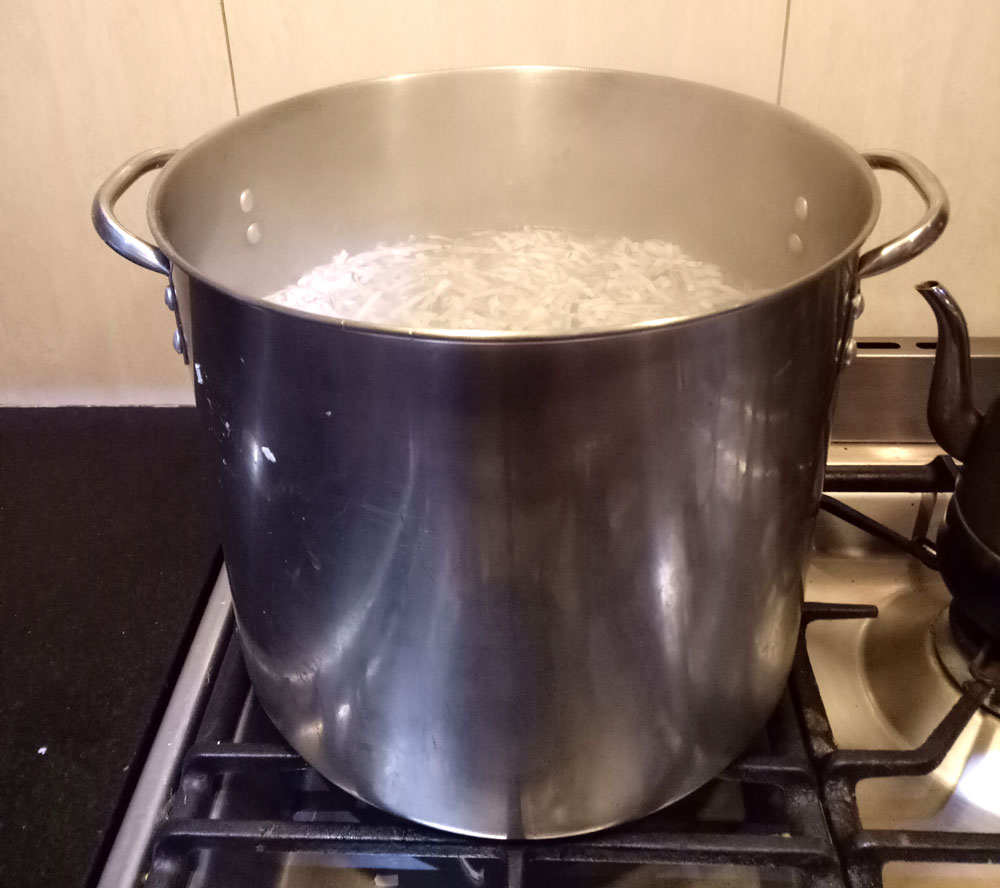
Put the shredded paper in a large pot and fill with water and boil. Leave soak over night. Add a bit of salt and eucalyptus oil to stop bacteria and mold.
Get a food blender or paint blender and swirl the paper around until all the fibers break up into small bits.
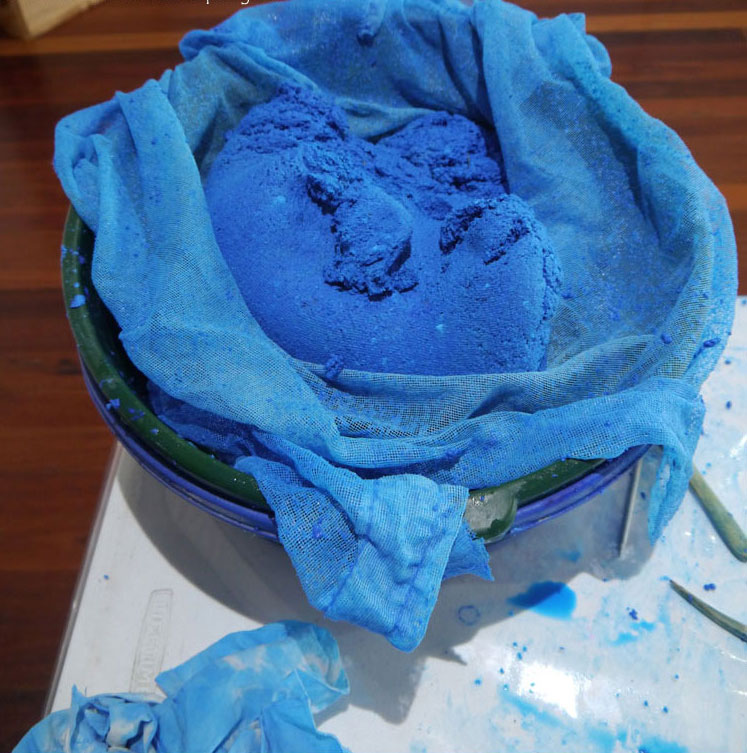
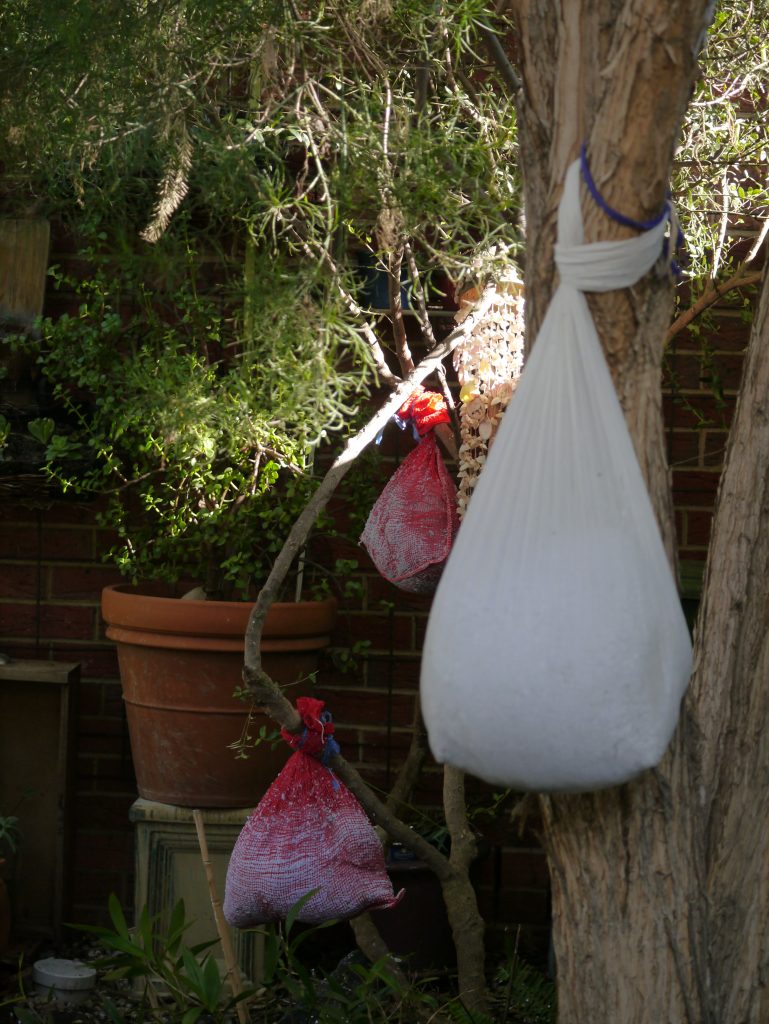
Drain through a cotton sheet or or fine mesh cloth.
when drained squeeze as much water out as possible.
Now it should look friable and break away in your hand
Add handmade wheat starch glue, powdered paint or vegetable dye and mush and squeeze until desired consistency. I grab a hand full in my hand and squeeze lightly if it holds its ready to start creating. Add glue if need be along the way. You also may need to keep squeezing water out if it wasn’t done enough the first time. Practice makes perfect on making pulp.
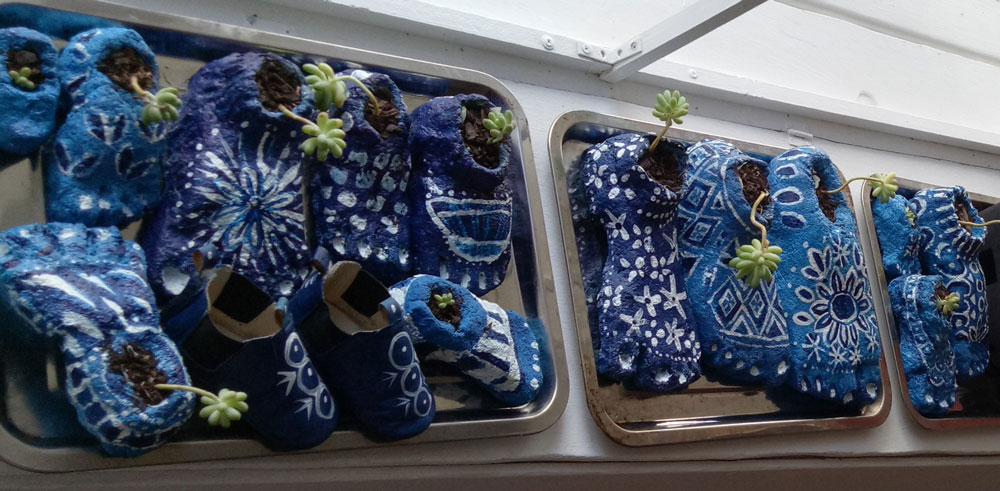
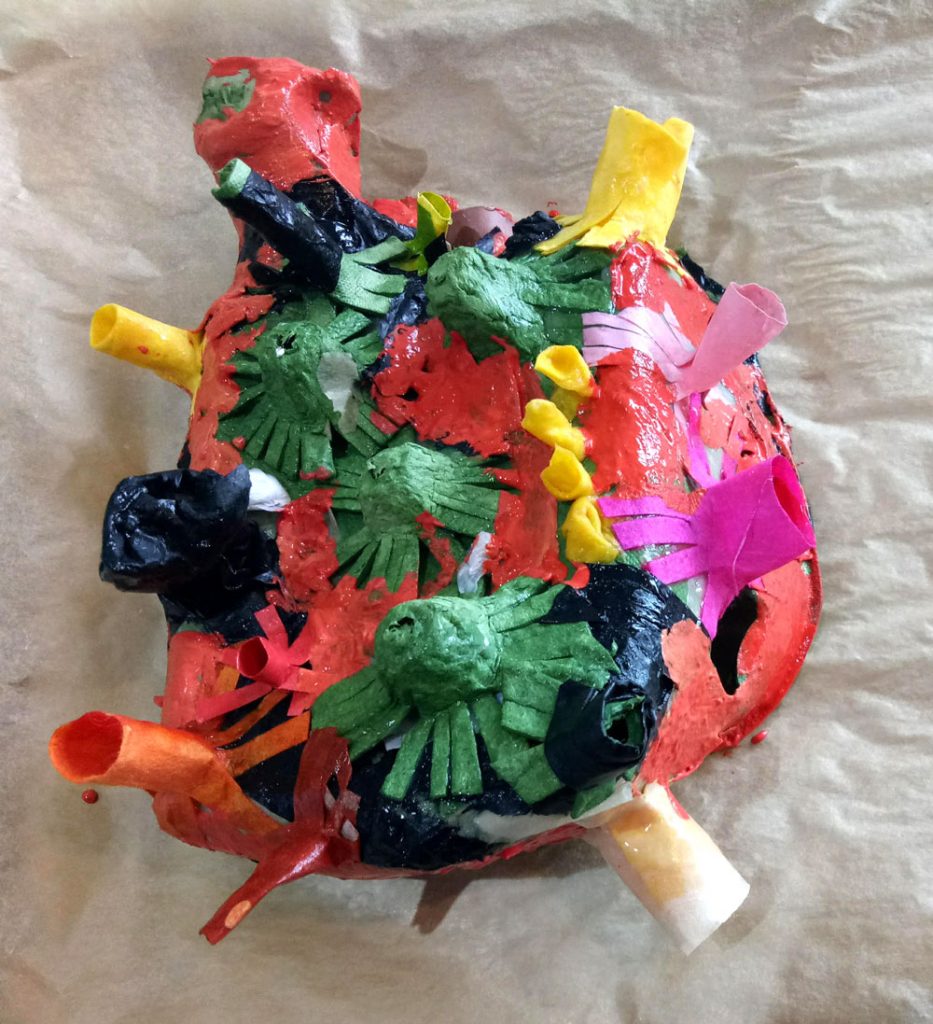
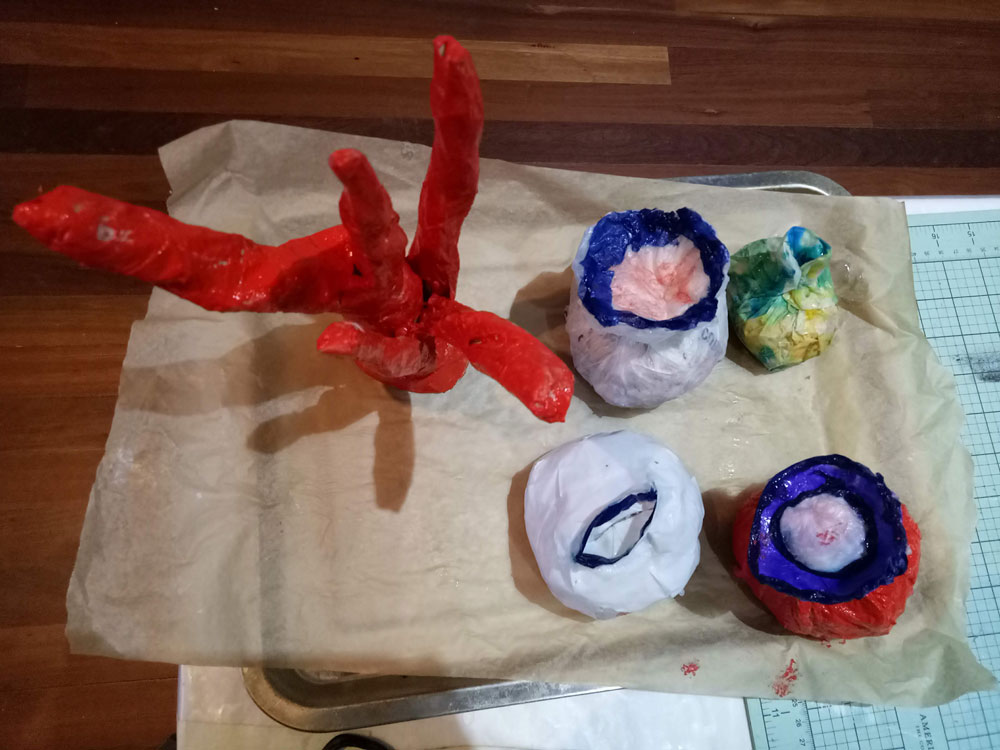
Dry your creations on a sunny window sill and/or bake in the oven on LOW.
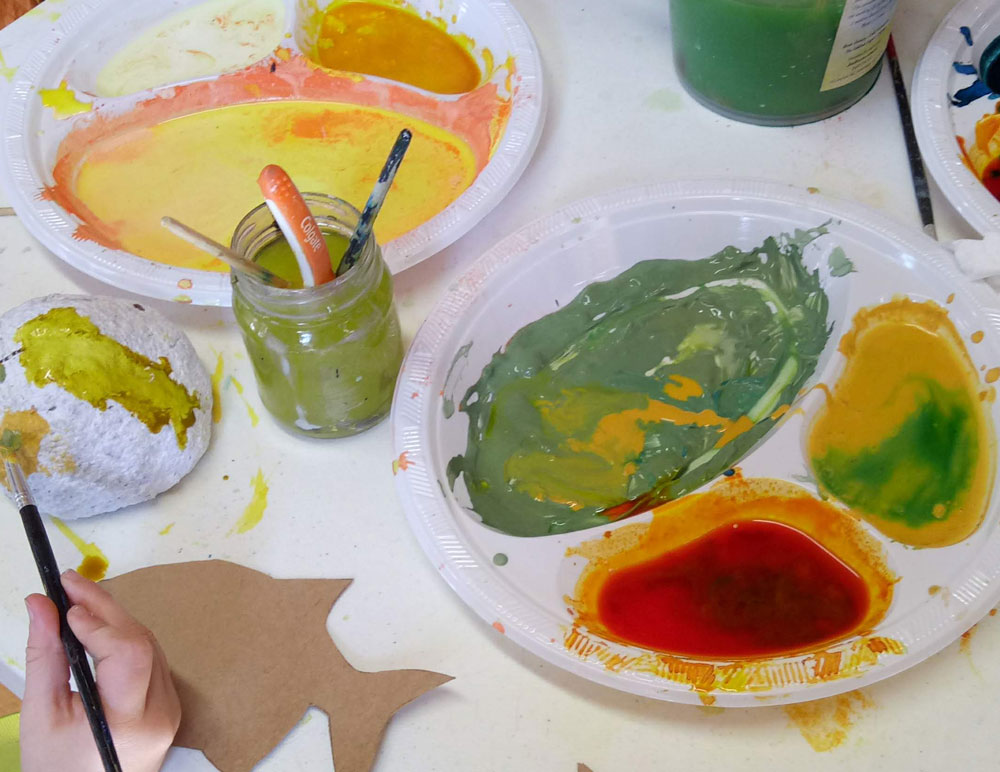
Mix ingredients to desired consistency – it can be very runny to quite stiff it will be dependent on the materials you will be using.
If you add calcium carbonate turns the paint from translucent to flat (non see through).
This paint is very accessible, affordable for children and is non toxic.
If you want to get into it more further reading / good reference material is Green Guide for artists by Karen Michel Quarry press 2009 and Artists hand book a complete professional guide to materials and techniques by Pip Seymour Arcturus Press 2003 or go to my blog page on types of paint you can make. https://fernartz.com/make-your-own-paint/
What is a preservative? Helps stop the growth of mould and bacteria. Some other preservatives other than essential oils is sugar and salt have been used throughout the ages as a preservative for foods often used in bottling of vegetables.
What is mould? Is a fungi such as a mushroom. Mould can be a health hazard causing you to sneeze or irritate the eyes. What is bacteria? Some of the first forms of life and can divide and grow very quickly however some bacteria can be harmful to humans.
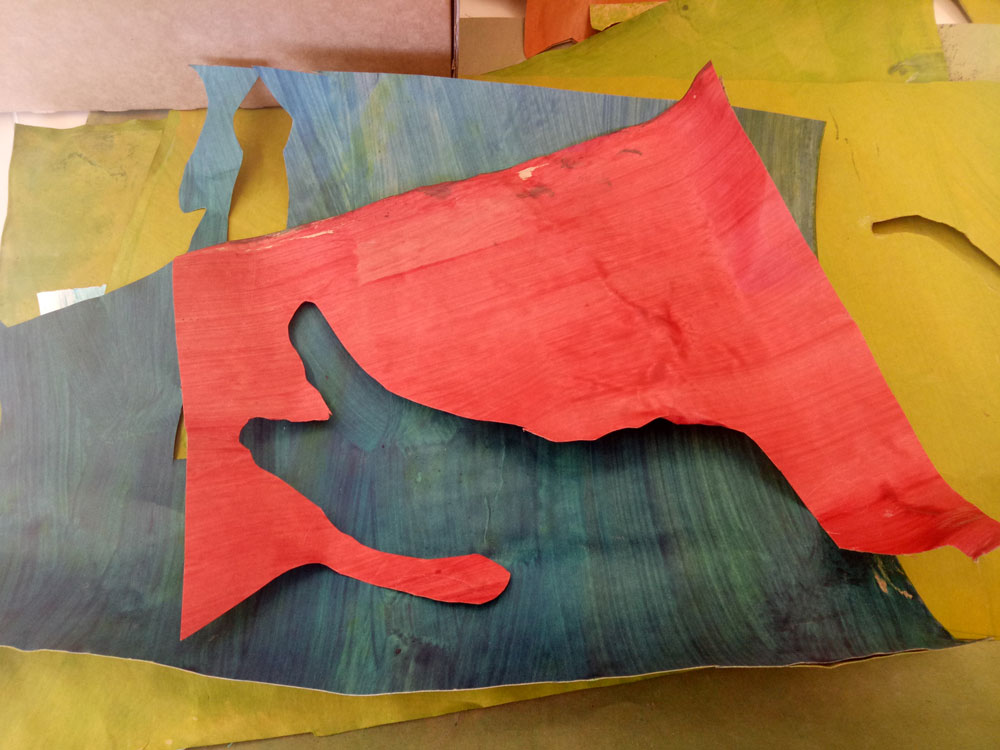
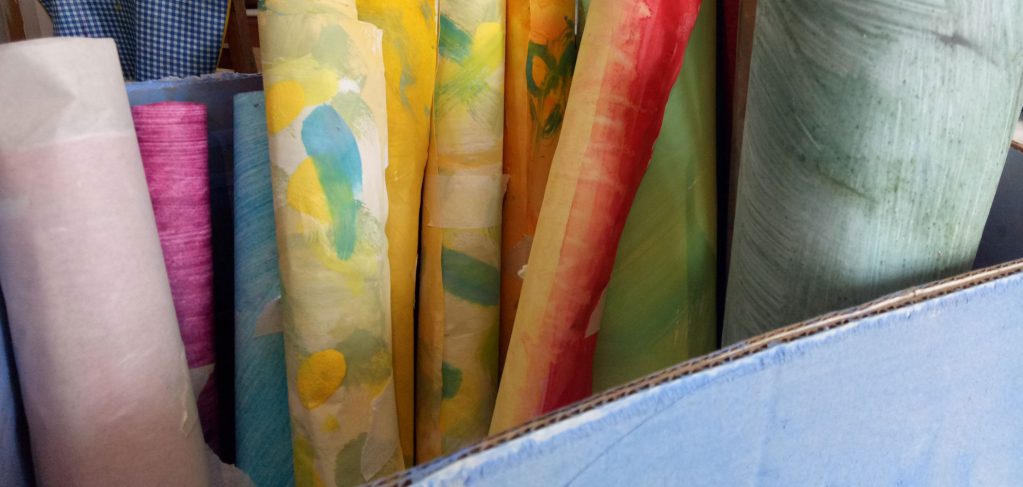
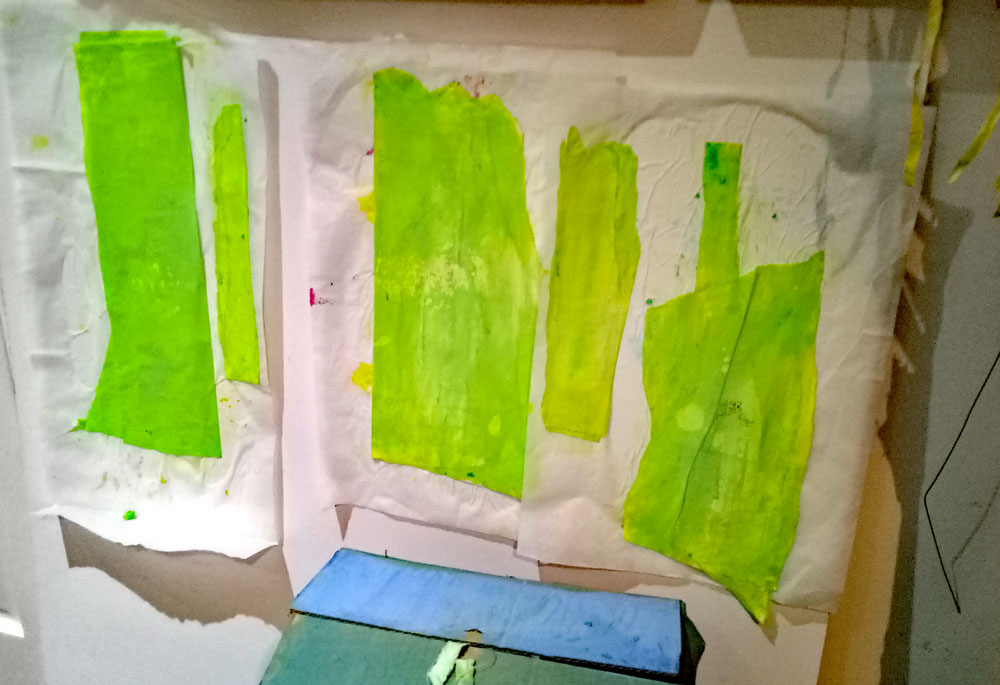
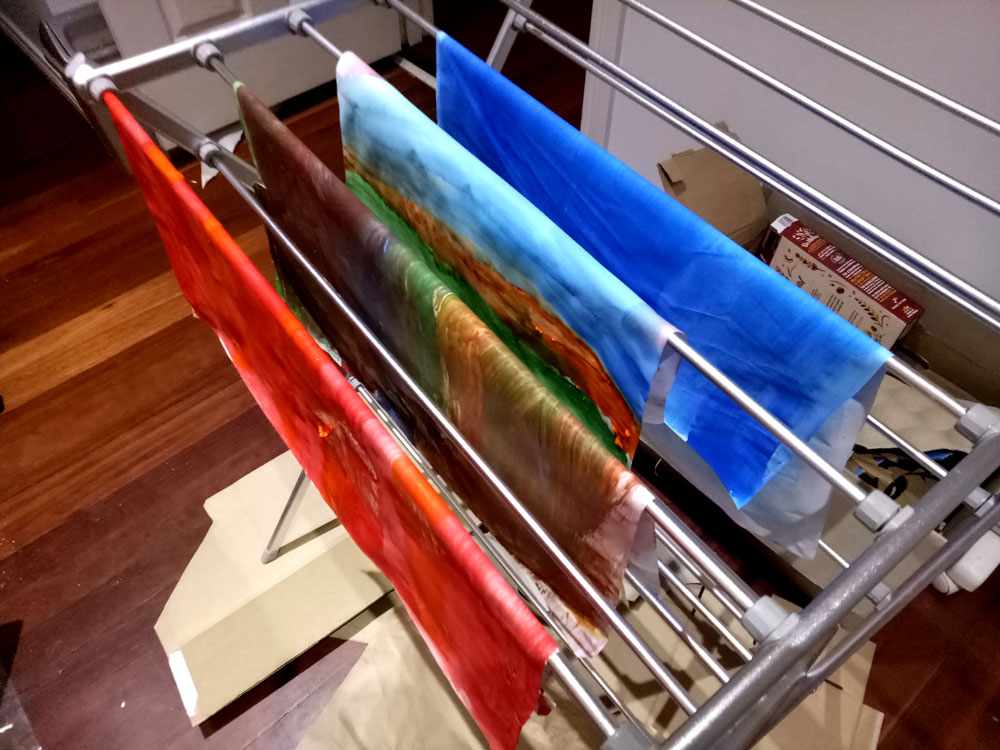
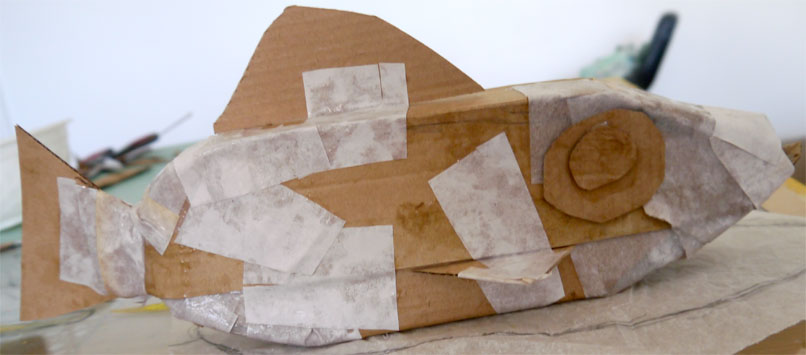
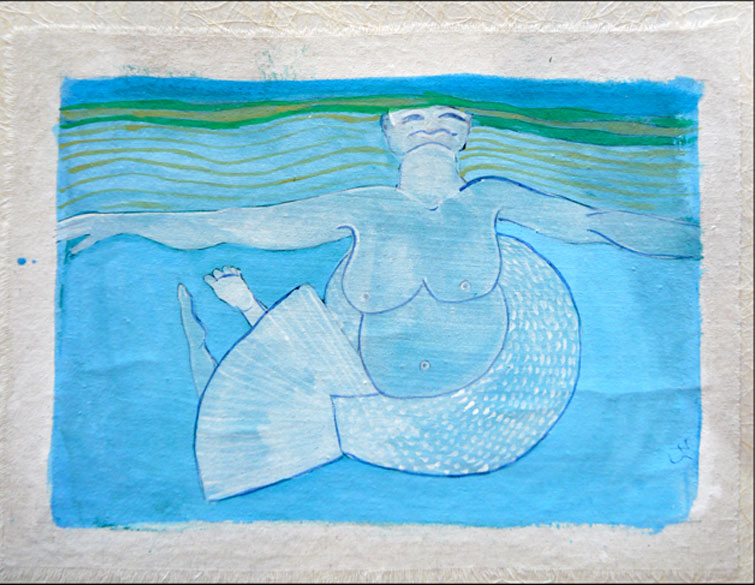
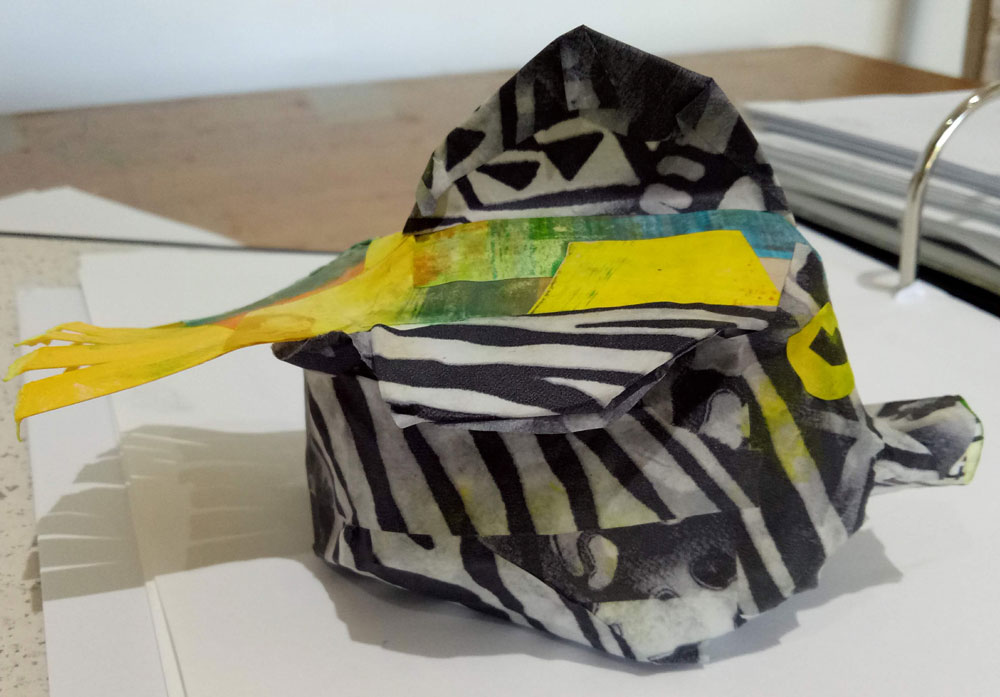
no need for plastic tapecotton glued to paper for a scrollart prep sheets of dye and glue the glue paint with glue3 D paper constructionA few examples of what the glue can do
Ingredients and utensils: 1. Wheat flour ( rice or corn flour can be used) I prefer wheat as the gluten gives stronger adhesion. 2. water 3. Eucalyptus oil (you can use any essential oil if it has anti-bacterial properties) 4. 1 medium sized pot 5. wooden spoon 6. a stove
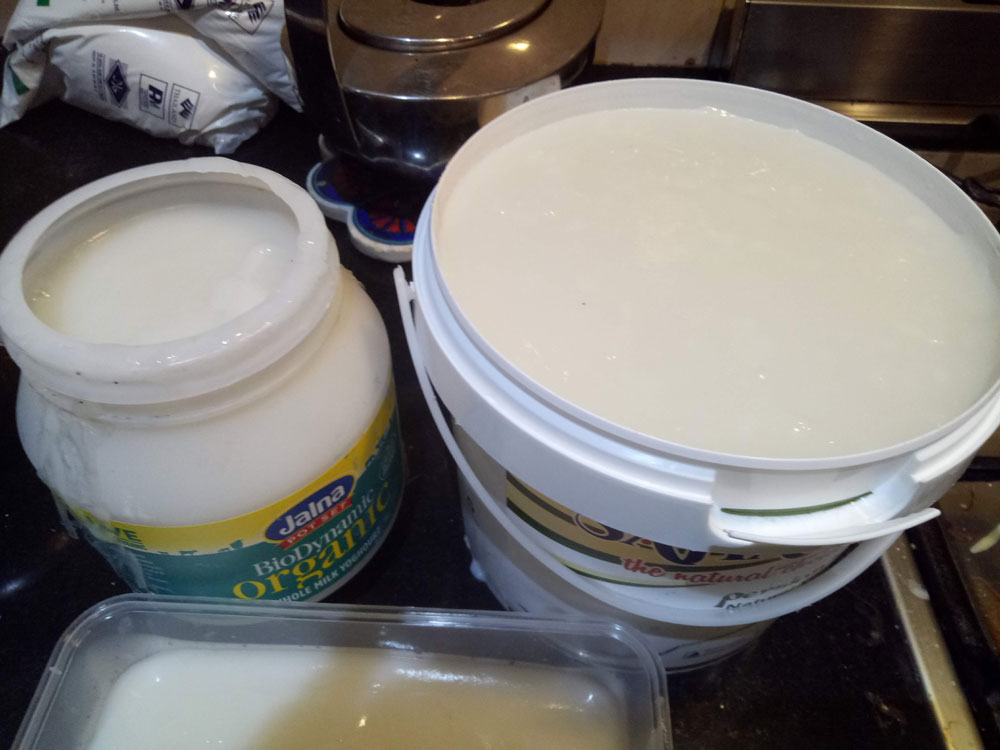
Method: Mix all ingredients together in a small saucepan when cold -(250ml water, 2 flat desert spoons of wheaten cornflour and a couple of drops of eucalyptus oil) – Stir until there areno lumps (it appears a milky colour) Turn on heat and stir continously it will thicken. When it thickens keep stirring – stir for as long as you can 3 -10minutes while boiling this strengthens the glue. When clear pour into a container let cool. It can keep for up to a week in a cool dark spot. – Play with the amounts to get a glue for your specific purpose.
The consistency of the glue will be dependent on the task. If binding paper, making paint you want a runny consistency. If making 3D objects its better if its stiffer – and dependent on what you are using it for – as the range of glue can be runny like drinking custard to tacky when you put your two fingers together there is a bit of resistance. The more you stir and cook the stronger the binding is.
You can play with adding: Adding sugar the glue adds a gloss however it can become brittle. Gelatin ( from either kelp or animal hooves) – brings strength to the glue however it will yellow and can shrink the paper. Honey gives elasticity to the glue.
Traditional uses: Japanese scrolls – binding paper and silk together. Persian/ Mongolian miniature art used a binder for watercolours to assist the non-bleeding of colours. Glue is used throughout South east Asia and is archivally sound. For contemporary works can be used in 3D art construction of puppets, Crankies, and all paper art, and installations.
What is the binding element in wheat, corn or rice? Starch is a carbohydrate – made up of Carbon Hydrogen and Oxygen
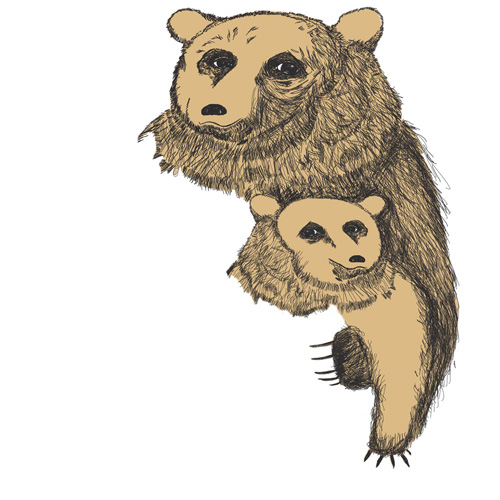
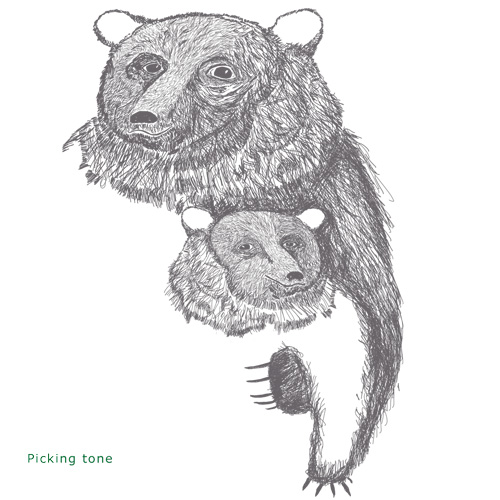
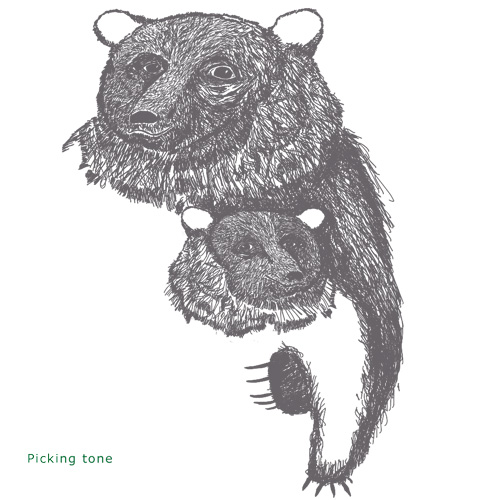
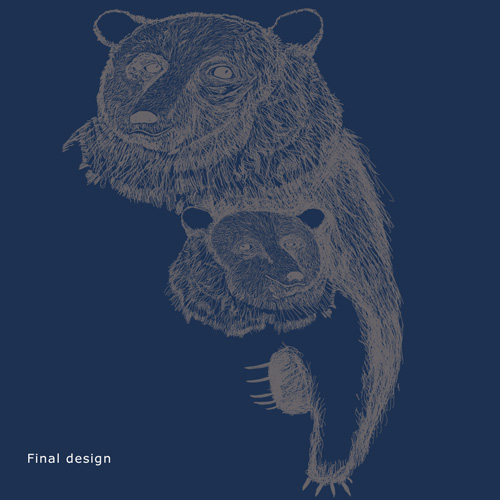
When an an artist and a potential client meet, its all yes we can do it 🙂 Once the process starts its extracting what the client visualises in their head. This is the longest part of the process. You may find you can’t work together that’s part of the process. However in most cases its explaining the first idea is usually not the last. It’s a process of finding the right colour and tone. The artist needs to instill confidence in the process and not hesitate. Once the design is achieved you then go onto the text, the font and the formats. It’s a journey
This is a guide only – please play and create and make a big mess!
SIZING penetrates the weave of a canvas or the fibers of paper to create a barrier to assist the paint from seeping through the surface. Equipment: 1 small bowl or pot, a spoon and jar with lid.
Ingredients: 1/4 teaspoon of gelatine, one cup of hot water, one drop of essential oil.
Method: Place gelatine in the bowl or pot and pour in hot water. Stir until dissolved and add a drop of essential oil.
Store: Pour into Jar and store, gelatine jells slowly add warm water to liquify.
Best results apply the same day as prepared and warm. Tape sides of paper while drying as there is shrinkage.
GESSO is traditionally used to prepare wooden panels, paper and canvas to add “tooth” enabling the paint to grab to the surface.
Equipment: 1 small bowl, a spoon Ingredients: I cup of warm sizing liquid, 1/2 teaspoon of honey and whiting
Method: Place sizing liquid in the bowl pour in whiting until it resembles the consistency of cream add water if need be. Stir until there are no lumps and even, if let to sit stir again.
Apply immediately does not store. Apply warm to your surface with one to two coats. If applying two coats brush each coat in opposite directions.
Applying sizing and gesso to your surface is optional.
BINDERS are what hold the pigments in suspension. There are many recipes, this recipe is made from traditional methods and food grade materials. Gum Arabic, honey, and essential oil (i.e. lavender, clove or eucalyptus for mould prevention).
Equipment: 1 small bowl, 1 tea cup, eye dropper, 1 small flexible spatula or flexible knife or spoon and small jar with lid.
Ingredients: 1 flat teaspoon of gum Arabic, one cup of warm water, half teaspoon of honey and one drop of essential oil.
Method: Mix Gum Arabic in a tablespoon of the warm water until dissolved using a flexible small spatular. The mixture goes lumpy, squeeze the lumps against the side of the bowl until dissolved, add honey, add essential oil and add the rest of the warm water, mix thoroughly.
Store: Pour into a sterile jar and store a
refrigerator, may need to add a little warm
WATERCOLOUR is as old as the worn hills of Australia, indigenous people have been using watercolour for at least 40,000 years. This watercolour recipe originates in Northern Germany during the 1400’s.
Equipment: Mortar and pestle, eye dropper, small flexible spatula or flexible knife and a suitable storage container i.e. a jar with lid.
Ingredients: 1 teaspoon pigment, 1/8 teaspoon honey and water based binder.
Method: Place dry pigment into the mortar and make an indentation in the middle. With the eye dropper full of binder, mix binder to pigment drop by drop until a smooth paste is formed. If a little lumpy use the pestle to grind the paste. To make the watercolour more flexible add honey. Blend thoroughly until a smooth firm paste. If a little lumpy use the pestle to grind the paste. Scoop up and place in a
suitable container and let dry. To paint, wet brush and mix with watercolour.
Store: In an air tight jar for up to a year.
GOUACHE dates back to Egyptian times when a chalk was added to watercolour to increase its opacity (less see through). “Whiting”- Calcium carbonate has been traditionally used in southern Italy.
Equipment: Mortar and pestle, eye dropper, small flexible spatula or flexible knife and a air tight jar.
Ingredients: 1 teaspoon of pigment, 1/4 teaspoon whiting, 1/8 teaspoon honey and water based binder.
Method: Into the mortar place dry pigment and whiting, mix well. Make an indentation in the middle. With the eye dropper full of binder, mix binder to pigment drop by drop until a smooth paste is formed. If a little lumpy use the pestle to grind the paste. To make the gouache more flexible add honey and blend thoroughly until a smooth firm paste. Scoop up and place in a jar and let dry. To paint, wet brush and mix with gouache.
Store: In an airtight jar
*Remember all fine powders are hazardous in their preparation for use wear a face mask, disposable gloves and glasses while preparing dry ingredients*
OIL PAINT – the type you use is of utmost importance if you don’t want your work to yellow or crack. I use sun drenched linseed oil. You stand the good quality art store linseed oil a sunny window sill in a jar with a cloth over the top until the oil thickens and becomes light in colour. When thicker like liquid glucose put lid on to keep (other oils you can use are sunflower oil, poppy seed oil)
Equipment: Mortar and pestle, eye dropper, small flexible spatula or flexible knife and a suitable storage container i.e. a jar with lid.
Ingredients: pigment, oil – thin with lavender or eucalyptus oil –
Method: Place dry pigment into the mortar and make an indentation in the middle. With the eye dropper full of binder, mix oil to pigment drop by drop until a smooth paste is formed. If a little lumpy use the pestle to grind the paste. Blend thoroughly until a smooth firm paste. Scoop up and place in a suitable container. Thin with lavender oil. (if too thin paint will crack)
Store: In an air tight jar
The longevity is dependant on how sterile, humidity – if animal ingredients are used ie gelatine store in fridge
Source the Artists Handbook by Pip Seymour Pub: Arcturus 2003
Green Guide for artists by Karen Michel Pub: Quarry 2009